In use and needed
- Relieve
- Keep and maintain
- Useful data
- Site, owner, condition
Asset Management
Relieve helps teams decide what happens to office furniture as it moves, changes, becomes surplus or reaches end-of-use. Lifecycle Management connects asset data to Relieve’s circular ecosystem, enabling furniture to be reused, rehomed, resold, donated, recycled or responsibly retired.


Want to discuss with a member of our team? Contact us at
Problem
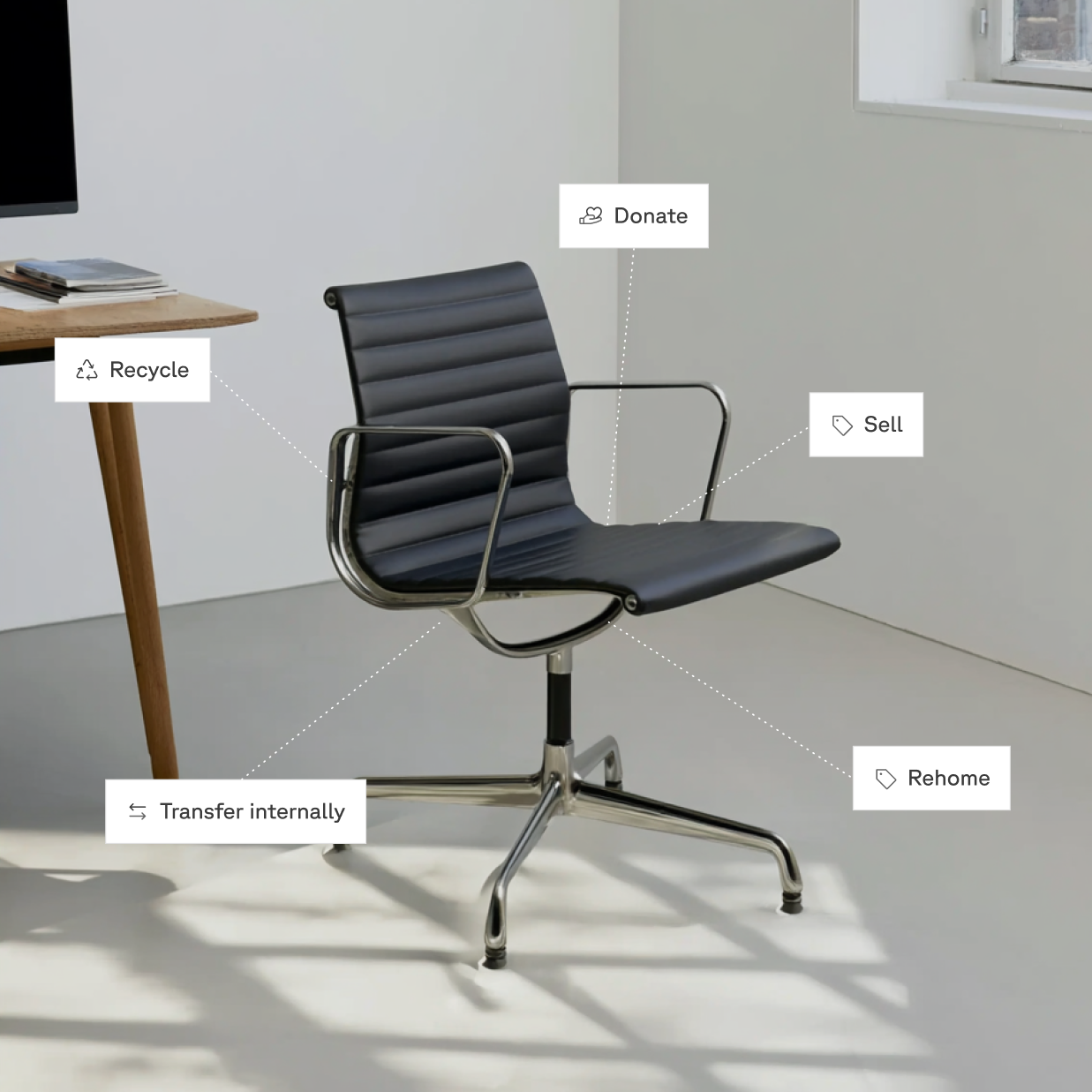
The problem is rarely one decision. A single project can include furniture to keep in place, furniture to move, surplus items to reuse elsewhere, items to offer to employees, saleable furniture, donation candidates and pieces that should be responsibly recycled or retired. Asset Management helps teams organise those decisions from one asset view and connect each route to the right operational next step. This is where Relieve is different from a generic lifecycle workflow. Relieve already helps large organisations remove, rehouse and redistribute furniture through practical circular routes. Asset Management puts that ecosystem closer to the decision point, so teams can move from "we no longer need this" to "what is the best circular outcome?"
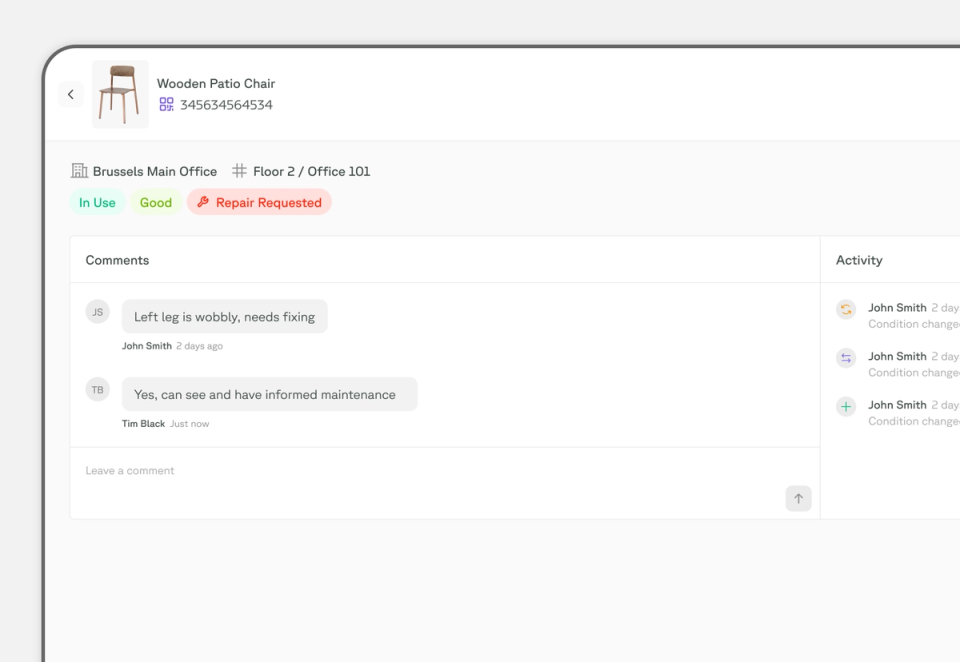
Some furniture should stay in use. Lifecycle data helps teams keep useful items visible, record condition and avoid treating active assets as surplus.
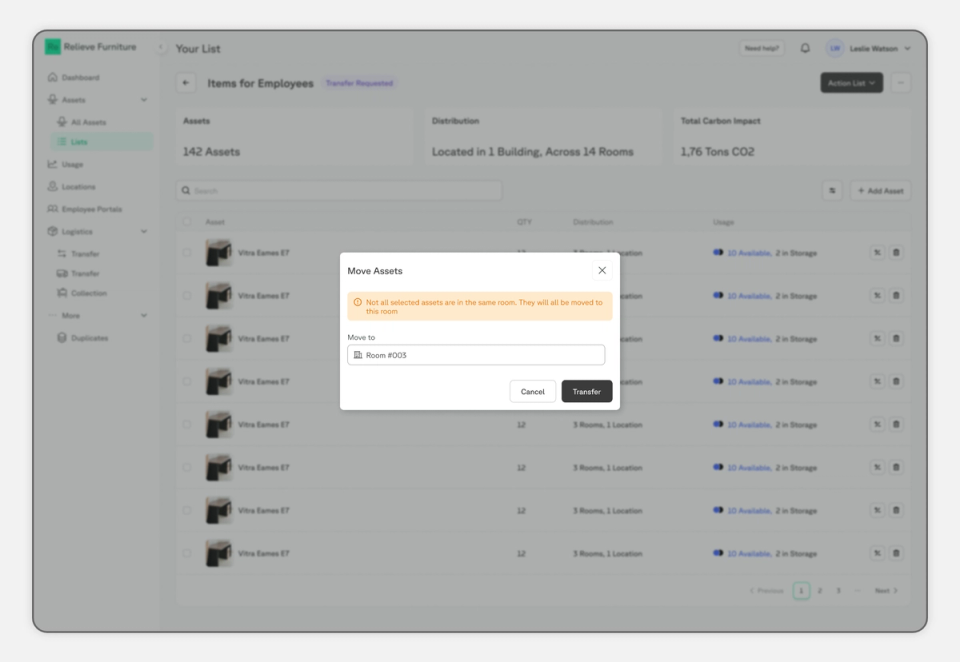
Furniture can often move from one team, floor or site to another. Location, condition, timing and ownership notes make internal reallocation easier to plan before new sourcing begins.
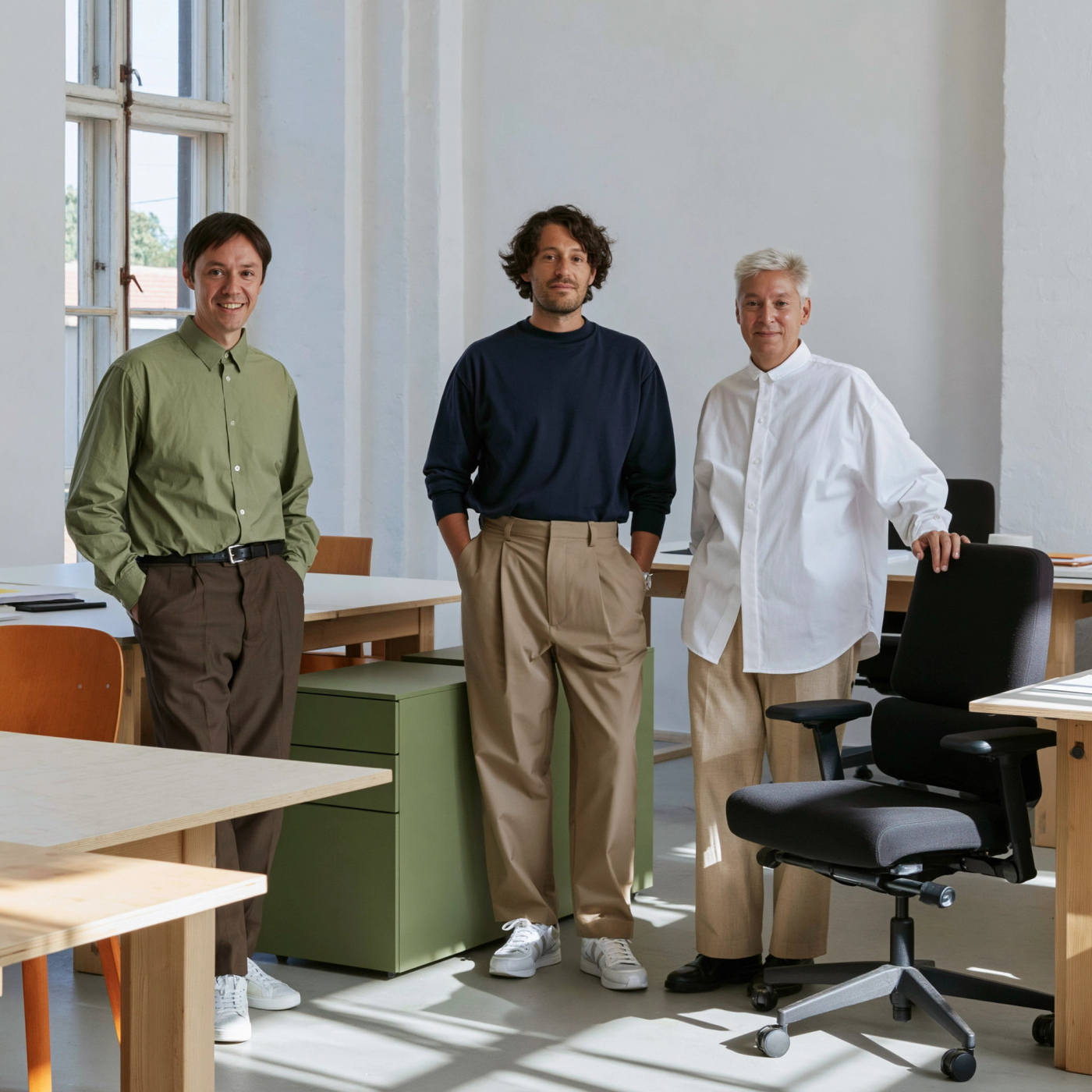
Internal reuse is often the first circular decision. It gives existing furniture a new role, avoids unnecessary purchase and keeps value inside the organisation.
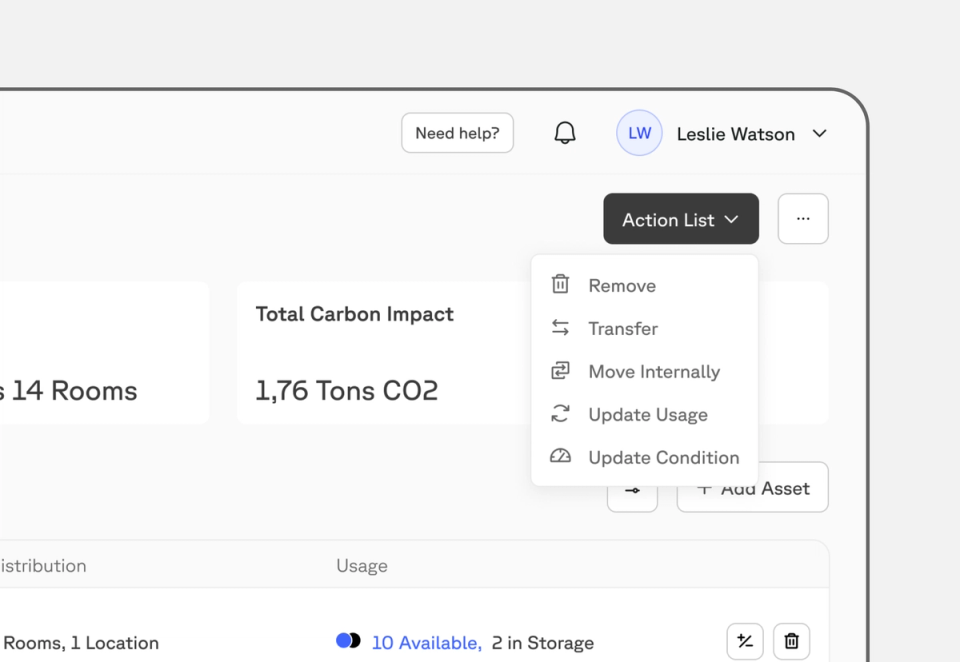
Surplus furniture may have value or social use elsewhere. Lifecycle workflows help separate items suitable for employee offers, resale, redistribution or donation from damaged or end-of-use items. Where there is market demand, Relieve can help recover value through established resale routes; where social reuse is the better path, furniture can be routed toward donation and redistribution partners.
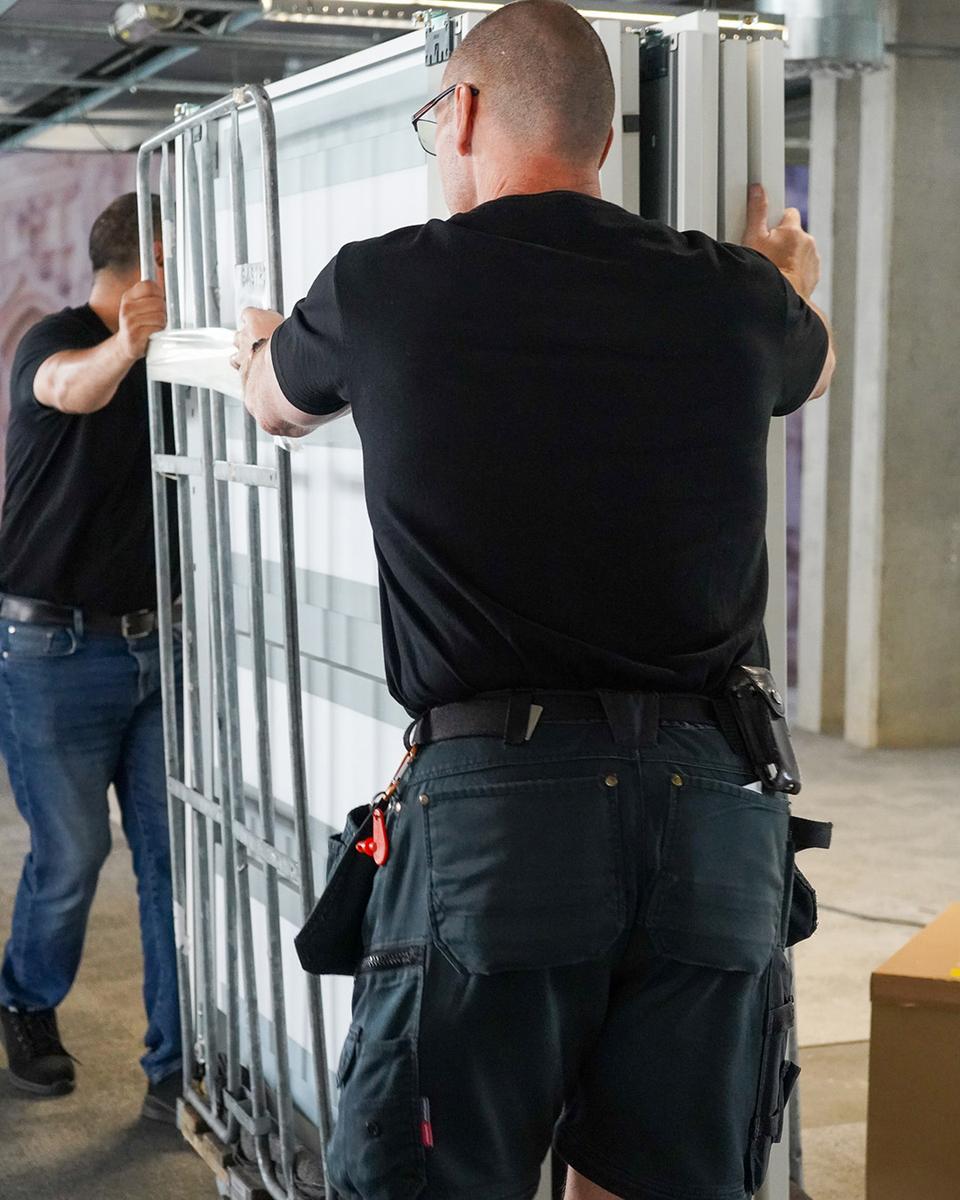
Some furniture cannot be reused. Clear lifecycle statuses help teams identify what should be recycled or responsibly retired rather than left unresolved in storage.
Asset Management
Some surplus furniture still has market value. Relieve's resale and redistribution work helps identify which items may be suitable for resale, which assets are better suited to donation, and which should move toward recycling or retirement.
Asset Management brings that value lens earlier into the lifecycle decision. Teams can see saleable furniture before it is mixed with low-value or damaged stock, and Relieve can help route suitable items through established resale channels where demand exists.
The commercial model does not need to be decided inside the asset record. The important point for the lifecycle page is that surplus furniture can become an opportunity: to recover value, support another organisation, avoid waste or create clearer reporting evidence.

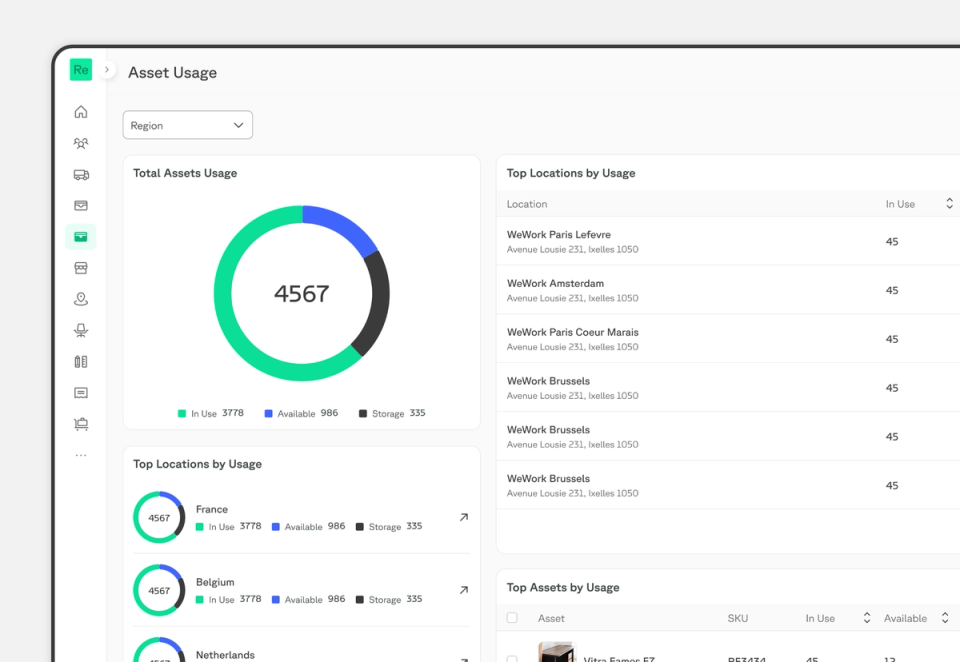
Lifecycle management depends on knowing what furniture exists, where it is, what condition it is in and whether it is in use, available, stored or becoming surplus. If that data is weak, Inventory Tracking is the right first step.
Relieve helps translate furniture states into practical statuses: in use, available, stored, reserved, repair needed, surplus, employee offer, saleable, redistribution candidate, donation candidate, recycle or retire.
A surplus batch in one office may solve a need in another. Lifecycle workflows make it easier to compare available furniture with upcoming moves, fit-outs and sourcing requests so reuse is considered before purchase. When furniture is no longer needed internally, Relieve can help route it into resale, redistribution or donation pathways.
Furniture can then be assigned to a next action: keep, move, rehouse, reuse, hold, offer, sell, redistribute, donate, recycle or retire. The workflow should match the operational reality, not create admin for its own sake. The strength of the model is that those routes connect to Relieve's real circular operations, not only to a status label.
Lifecycle decisions are more useful when teams can see what happened. Where the right data is available, outcomes can support internal updates, value recovery, destination reporting and CO2 reporting.
Discuss lifecycle workflowsWhen furniture is no longer needed, the best next step is not always obvious. Some assets should stay in the organisation, some can be reused by another team, some have resale value, some are better suited to donation, and some need responsible recycling or retirement.
Asset Management helps teams make that decision while the furniture is still visible. Instead of waiting until a clearance deadline, teams can see what is available, decide which route fits each item or group, and connect surplus furniture to Relieve's circular ecosystem.
The aim is to maximise reuse first, then recover value where resale demand exists, then route remaining items toward donation, redistribution, recycling or responsible end-of-use.
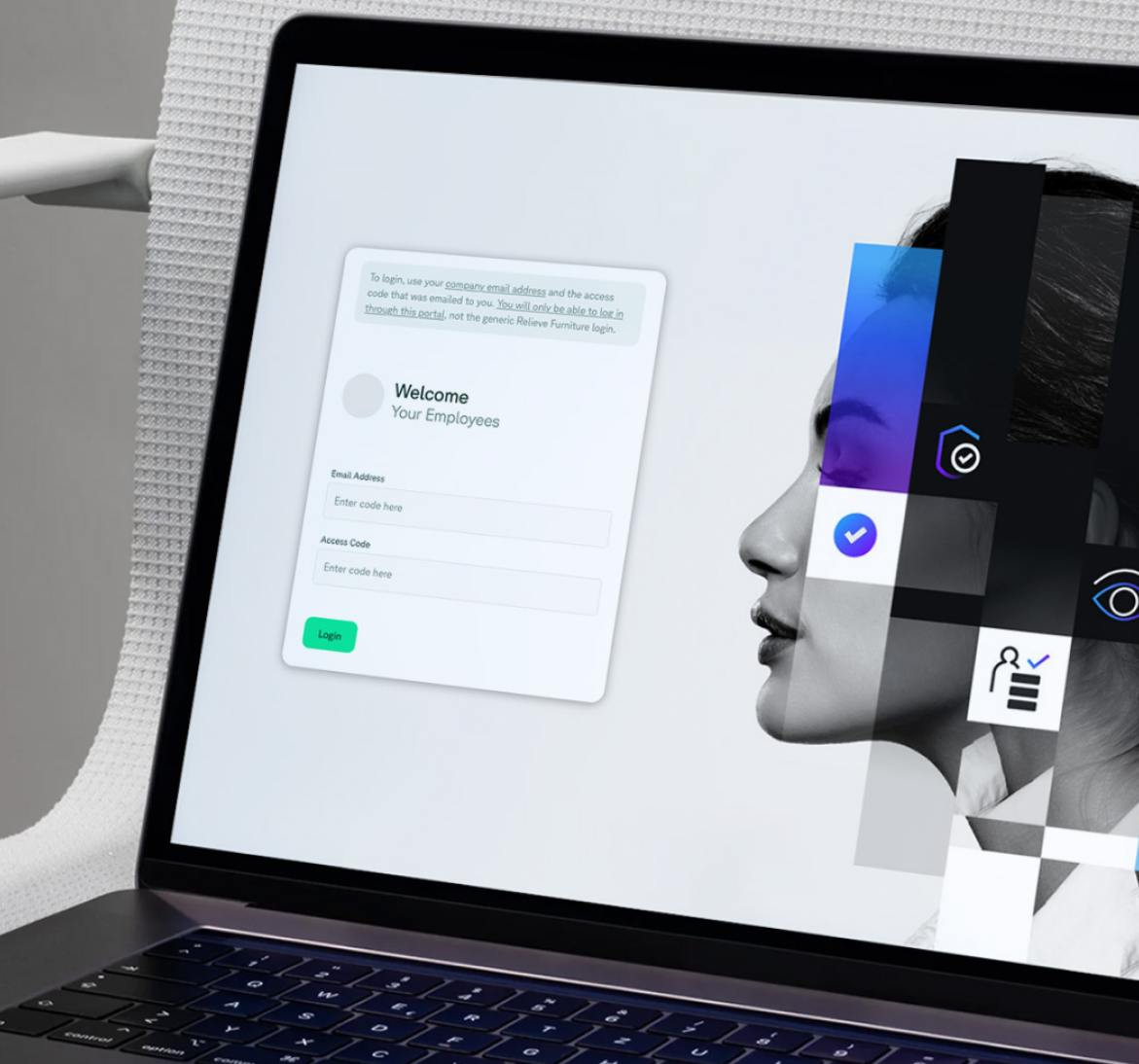
Some furniture is useful but no longer needed by the business. Employee portals can give suitable items a controlled internal route before wider resale, donation or recycling decisions are made.
This can help organisations make surplus furniture visible to employees, manage interest in available items and reduce the volume of furniture that needs to be stored or cleared later.
Employee offers are not the right route for every asset, but they can be a practical part of a wider circular strategy when items are suitable, safe, easy to collect and no longer needed internally.
This table is not a rigid rulebook. It shows the kind of decision logic teams need when furniture is changing across multiple sites. The goal is to make the next step visible before the project becomes urgent and before usable assets are lost to storage or disposal.
| Feature | Relieve | Useful data |
|---|---|---|
| In use and needed | Keep and maintain | Site, owner, condition |
| In good condition but surplus | Reuse, transfer, offer, sell, redistribute or donate | Category, quantity, dimensions |
| Stored after a project | Reuse pool or sourcing alternative | Location, access, status |
| Needed by another team | Internal transfer | Demand, timing, fit |
| Damaged but repairable | Repair or refurbish before reuse | Condition, repair note |
| End-of-use | Recycle or retire responsibly | Material, destination need |
Lifecycle management does not stop when an item is marked as available. Once furniture is connected with another team, buyer, employee, charity or organisation, the next operational question is collection.
Relieve can help teams manage the handover between asset decision and physical movement: what has been reserved, who it is going to, where it needs to be collected from, what access constraints apply and what destination should be recorded afterwards.
That collection layer matters because circular outcomes only become real when the furniture actually leaves the right place, reaches the right recipient and has a destination record the team can trust.

Lifecycle management gives furniture a route. Reporting explains what happened. When teams need to show reuse, reallocation, resale, donation, recycling, destination or CO2 information,Reporting / ESGturns lifecycle outcomes into clearer stakeholder information where data is available.
That reporting depends on the quality of the underlying records. If items do not have location, condition, route or destination data, the reporting story becomes weaker. If the issue is still "we do not know what we own", start withInventory Tracking.
For teams with an immediate surplus batch, clearance or resale project,Sell and Redistribute Furnitureis the operational service route. It connects surplus assets with Relieve's resale, redistribution and donation ecosystem.
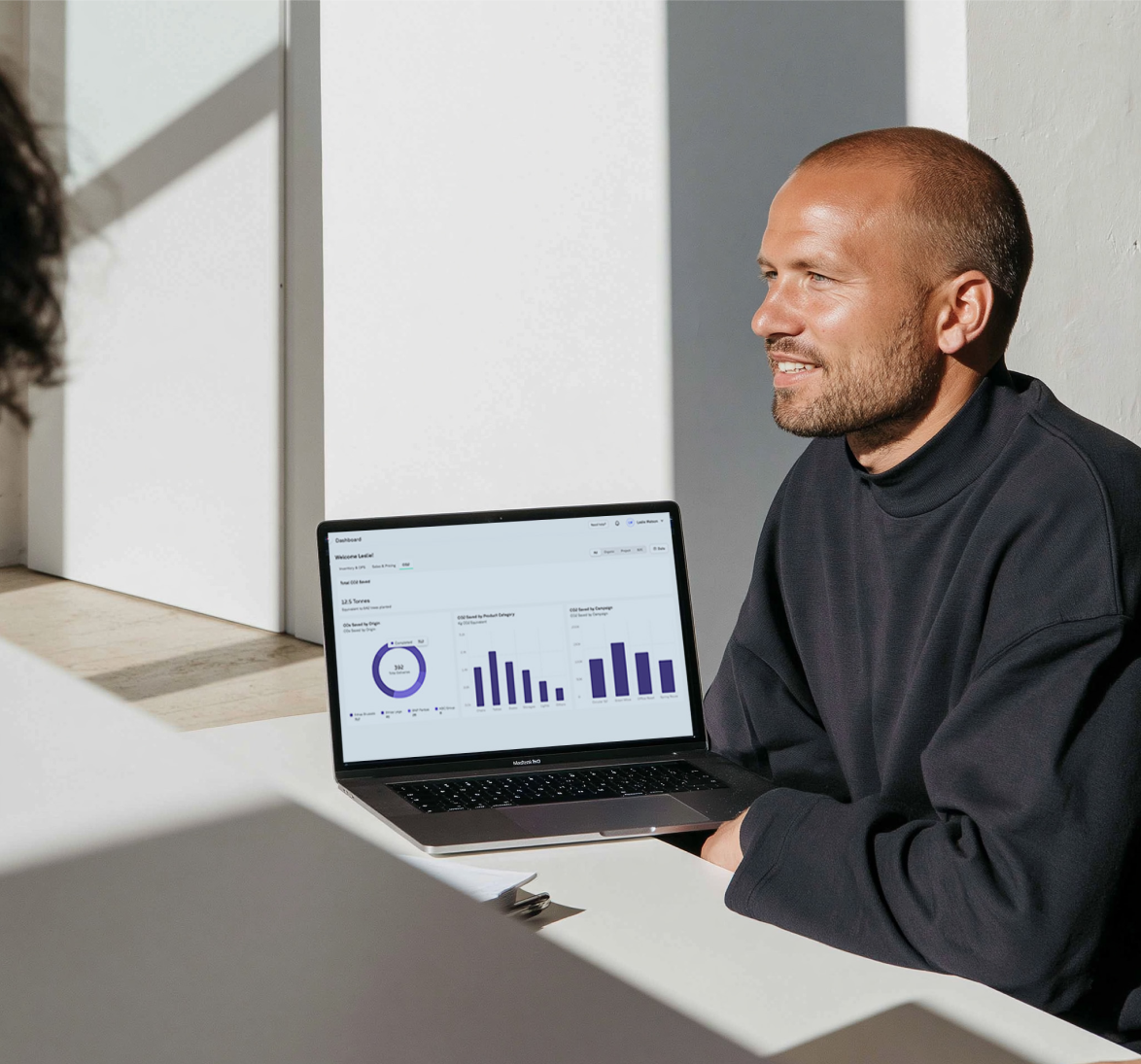
Tell us what furniture is moving, sitting unused, becoming surplus or reaching end-of-use. Relieve will help you shape a lifecycle workflow that turns visibility into circular redistribution and action.