What did we avoid wasting?
- Relieve
- Clear & Move
- Evidence to capture
- Items kept, reused, resold, redistributed or donated
Who we help
Relieve Furniture helps sustainability leaders make office furniture reuse, circular sourcing and end-of-use routing easier to evidence. We connect practical workplace projects with clearer records, so furniture can support ESG goals without relying on vague claims.


Questions about a project?
Speak with our team at info@relievefurniture.com

Role context
Office furniture is a visible part of workplace sustainability. It is also easy to overlook until a move, fit-out or clearance is already underway. By then, the organisation may be buying new furniture while useful items sit in storage, or clearing a floor before anyone has asked where the furniture will go. For sustainability teams, the risk is not only waste. The risk is weak evidence. If nobody records condition, destination, reuse route or replacement choices, it becomes difficult to explain the impact later. Relieve helps close that gap. We work with facilities, real estate, procurement and workplace teams to turn furniture decisions into practical circular actions that can be reported where data is available.
Relieve helps sustainability leaders make circular furniture choices practical for the teams who own buildings, budgets and timelines.
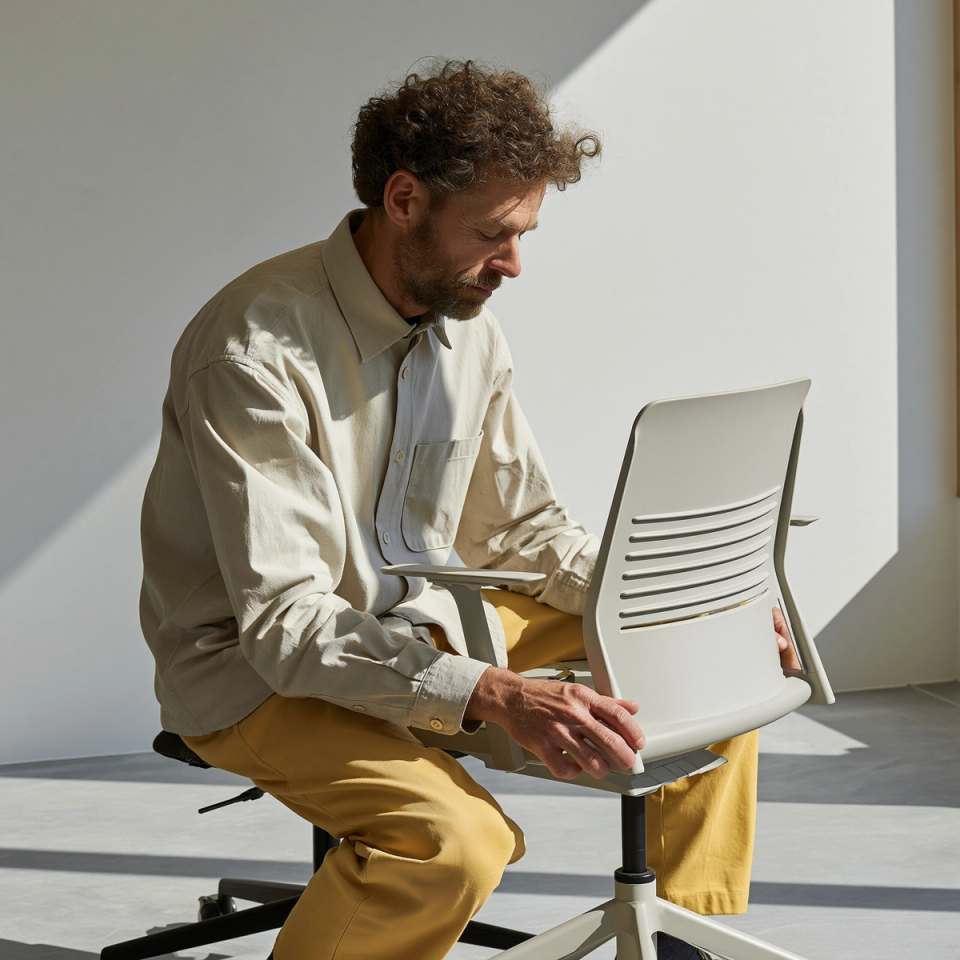
Relieve starts with the furniture that already exists. During a move, clearance or restack, we help assess what can be kept, moved, reused internally, sold, redistributed, donated or recycled responsibly. That matters because circularity begins before disposal. The earlier reusable furniture is identified, the more realistic it is to keep it in use.
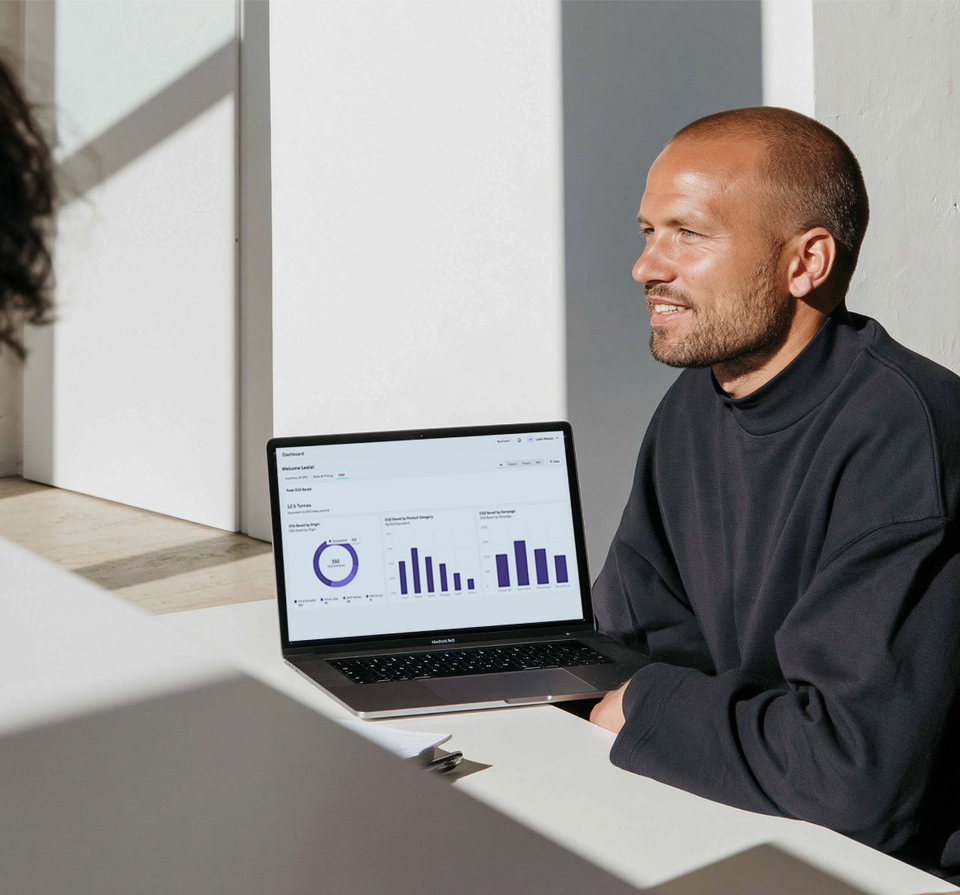
Standard office clearance can be difficult to evidence after the fact. Relieve's Clear & Move service is designed around inventory, route planning and close-out information. Your team gets a clearer record of what happened, instead of a simple removal invoice. Where data is available, reporting can cover reuse, redistribution, recycling and CO2 impact. That gives sustainability leaders a stronger basis for internal ESG updates and stakeholder questions.
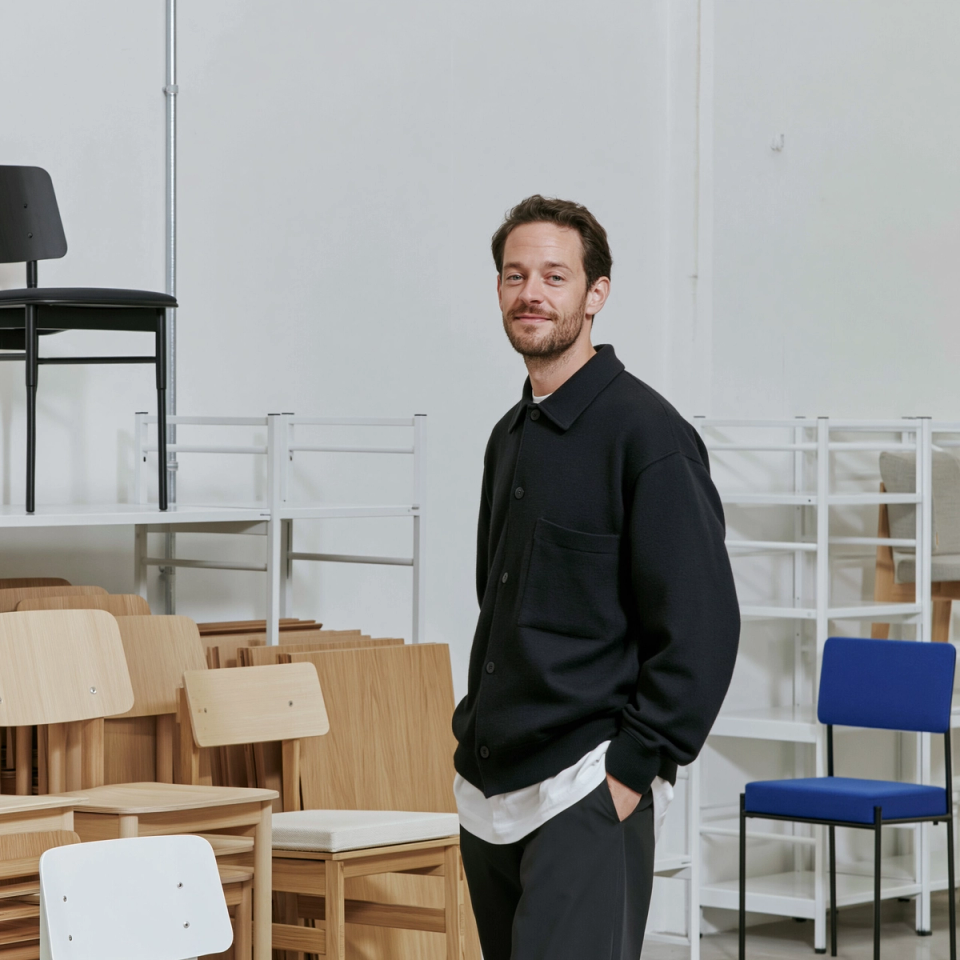
Sustainable furnishing is not only about buying less. It is about choosing better routes: reuse existing furniture, source pre-owned or refurbished items, repair where suitable, and buy new only where the brief genuinely requires it. Relieve can support Furnish & Design Workspaces and Furniture Sourcing projects with circular options that still respect quality, comfort, deadlines and budget.

Furniture impact is easier to evidence when assets are visible. Track & Manage Assets helps teams record furniture by location, condition and lifecycle route, then connect that information to future moves, clear-outs and sourcing decisions. This is especially useful for organisations with multiple sites. A surplus batch in one building can become the sourcing answer for another, if the data is available in time.
The point is not to create reporting work for its own sake. It is to make sure that good circular decisions are not lost because nobody captured them.
| Feature | Relieve | Evidence to capture |
|---|---|---|
| What did we avoid wasting? | Clear & Move | Items kept, reused, resold, redistributed or donated |
| What did we avoid buying new? | Furnish & Design Workspaces | Existing or circular furniture used instead of new purchase |
| What happened after removal? | Sell and Redistribute Furniture | Destination, condition and route summary |
| What do we own today? | Track & Manage Assets | Inventory, location, condition and lifecycle route |
| What impact can we explain? | Reporting / ESG | CO2, reuse and responsible recycling data where available |
Sustainability leaders often need to persuade teams who are under different pressure. Facilities teams need the building clear.
Procurement needs value. Real estate needs the lease plan to work. HR may need to support employees. Finance wants cost control. Relieve helps because the circular route is tied to the operational route.
Furniture is assessed, moved, sourced, sold, redistributed or recycled through practical services. That means sustainability is built into the project plan rather than added afterwards as a communication exercise.

Reporting & ESG
Turn furniture routes into clearer records for sustainability stakeholders.
Clear & Move
Reuse-first removal, move and clearance support for office furniture projects.
Furnish & Design Workspaces
Plan, source and furnish workspaces with circular furniture options.
Sell and Redistribute Furniture
Assess, sell, redistribute or donate surplus office furniture where suitable.
Track & Manage Assets
Track furniture by location, condition and lifecycle route across sites.
CO2 Impact Reporting
Understand what furniture impact data may be available after a project.
Tell us what workplace change or reporting need is coming up. Relieve will help you turn furniture decisions into practical circular outcomes your team can explain.