Inventory and condition review
- Relieve
- Included
- Selling in-house
- Created by your team
- Standard clearance
- Usually limited
Service
Relieve Furniture helps companies recover value from office furniture they no longer need. We assess what can be sold, redistributed, donated or recycled, then coordinate the route so usable furniture keeps working instead of sitting in storage.


Questions about a project? Our team are here to help at

What changes
Surplus furniture is rarely simple. A move, office closure, downsizing or refresh can leave teams with high-quality desks, chairs, storage, meeting tables and soft seating that still have years of use left. The problem is not always the furniture. The problem is the admin. Someone has to create an inventory, check condition, set prices, answer questions, manage viewings, arrange collections, decide what employees can access, and report what happened. Without a clear process, usable furniture ends up stored, discounted at the last minute, or removed without much transparency. Relieve gives every item a commercial and circular route before decisions become urgent.
Relieve turns surplus furniture into a managed route instead of a side project for your office team.

We start with the furniture you have, where it is located, when it needs to move, and what condition it is in.

Not every item should follow the same route. Some furniture is best resold. Some should be offered internally. Some is more useful to schools, charities or community organisations. Some needs recycling.
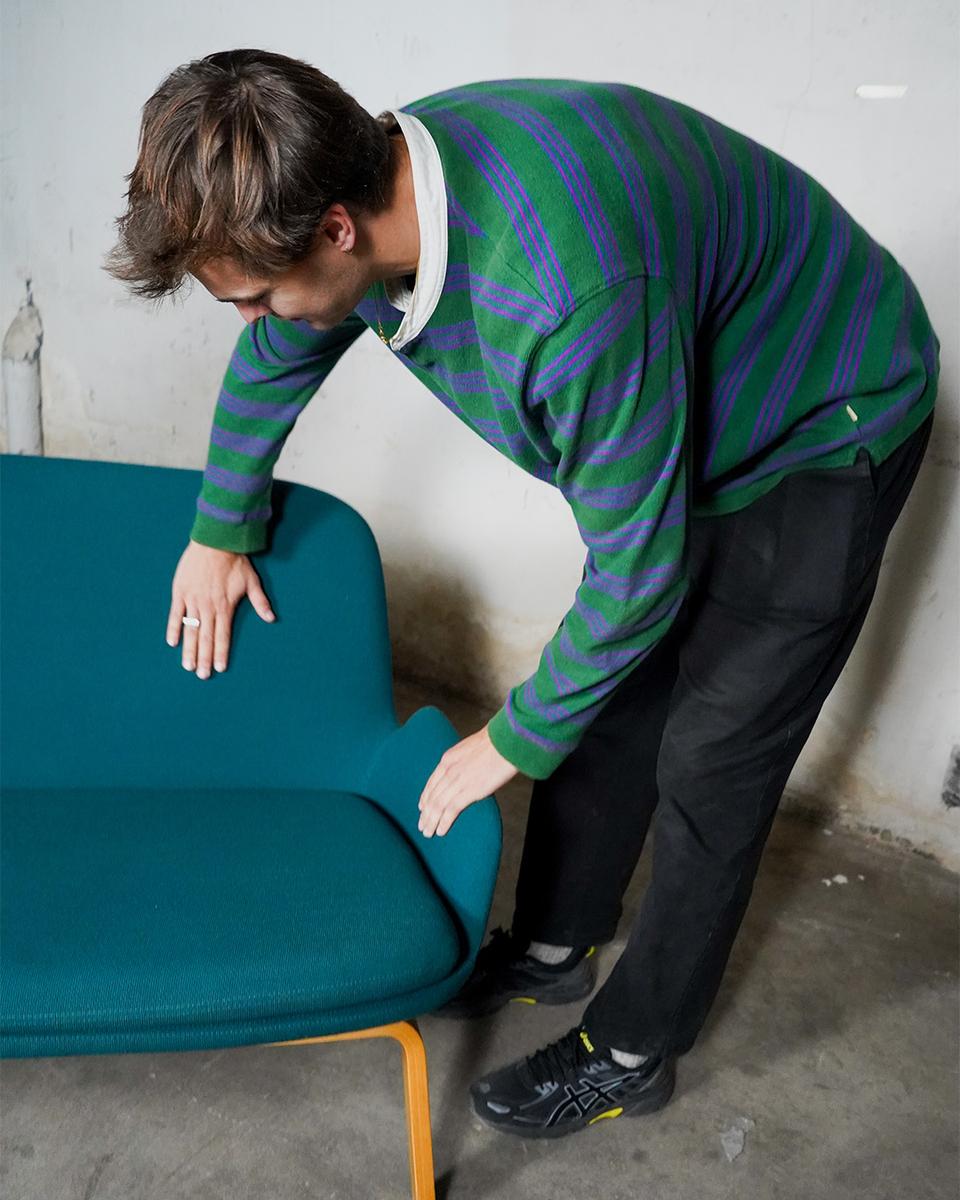
Furniture that can be sold or redistributed needs to be understandable to buyers. Relieve helps turn surplus stock into usable listings, records or reserved items.

Once items are reserved, sold or allocated, Relieve coordinates the collection route so your team is not managing dozens of handovers.
In-house resale can look cheaper until the office manager's time, storage risk and missed deadlines are counted. Relieve turns resale and redistribution into a managed project, not a side job.
| Feature | Relieve | Selling in-house | Standard clearance |
|---|---|---|---|
| Inventory and condition review | Included | Created by your team | Usually limited |
| Resale route | Structured | Manual listings and messages | Rarely prioritised |
| Employee access | Available where suitable | Hard to manage fairly | Not provided |
| Donation route | Coordinated where suitable | Possible but time-heavy | Often not included |
| Collection coordination | Managed by Relieve | Managed by your team | Disposal-led |
| Reporting | Reuse and destination summary | Manual | Minimal |
Selling surplus furniture is not only a finance decision. It is also a sustainability decision. Every item that is reused avoids unnecessary new production, reduces waste and gives your team a clearer story for internal reporting. Relieve can help you show both sides of the outcome: value recovered and furniture kept in use. Where the data is available, we can also connect redistribution to CO2, reuse and destination reporting. The hidden cost is delay. The longer surplus furniture sits in a storage room, vacant floor or temporary warehouse, the more value it loses and the harder it becomes to place. Relieve helps make the route early, while the items are still visible, accessible and worth moving.

Service context
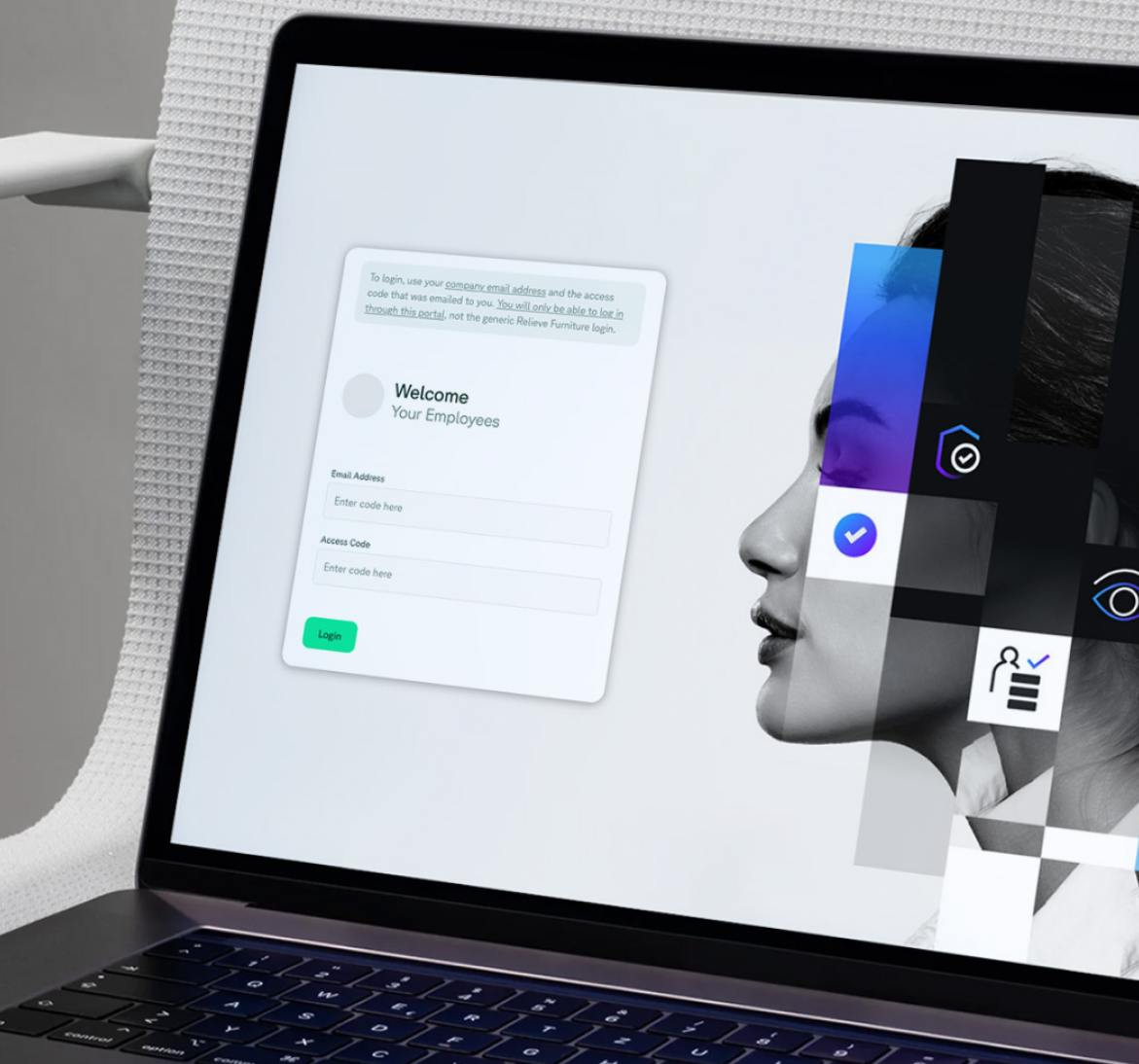
When surplus furniture comes from a company office, employees often ask whether they can buy or keep items. Without structure, that quickly becomes hard to manage fairly. Relieve can create a controlled employee-first route where suitable furniture is made available before wider resale or redistribution. Staff get access to practical, lower-impact furniture. Your team gets fewer one-off requests and a cleaner record of where items went.
Service context
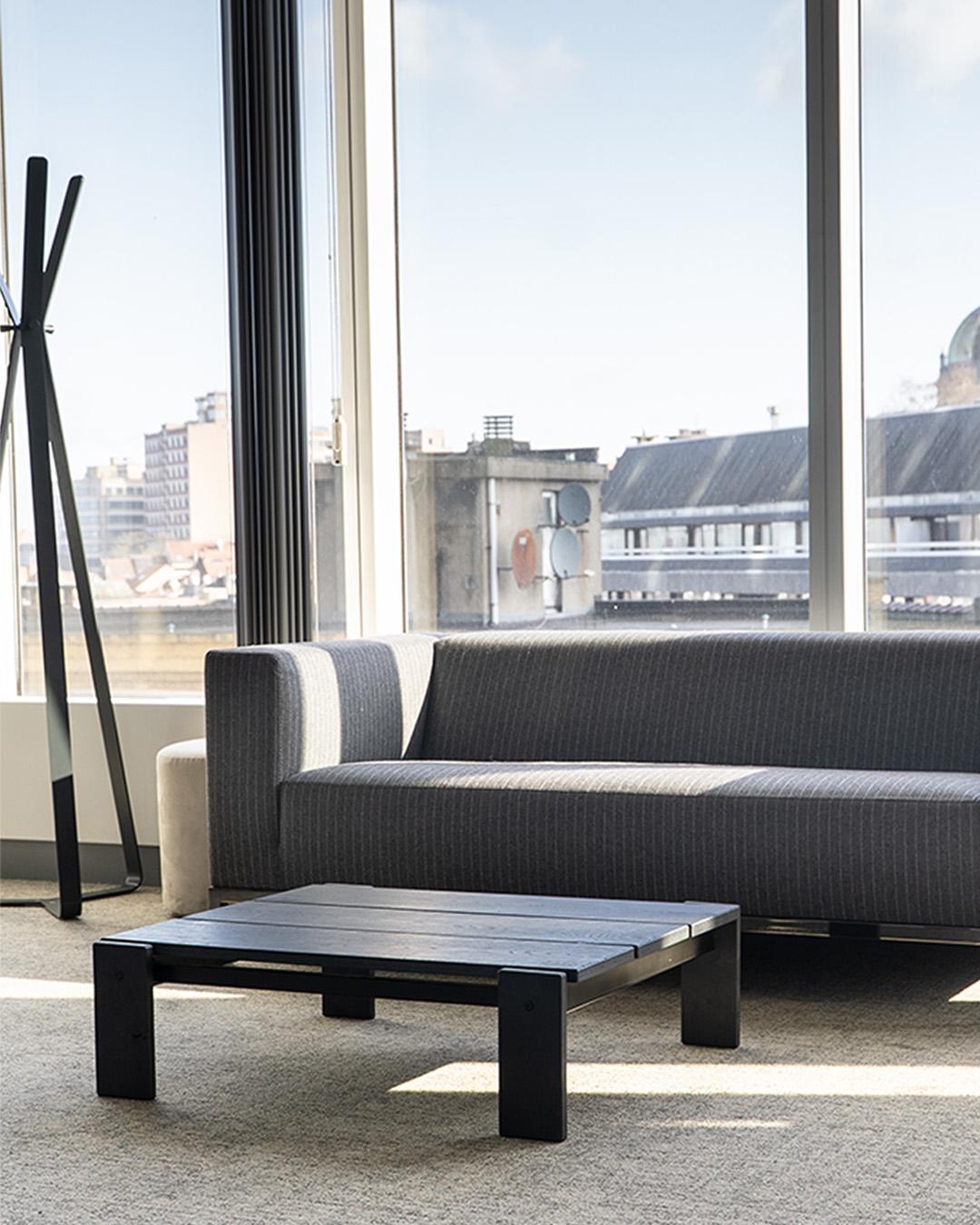
The strongest resale candidates are usually durable, recognisable and easy to reuse: ergonomic office chairs, height-adjustable desks, meeting tables, storage, lockers, soft seating, acoustic booths and quality reception furniture. Items with heavy wear, missing parts, unusual dimensions or limited demand may still have a route, but the best route may be donation, refurbishment, spare parts or recycling. Relieve makes that assessment before promising a resale value that the market may not support.
Tell us what furniture you have, where it is, and when it needs to move. We will help you decide what can be sold, redistributed, donated or recycled.