Who we help
Circular furniture support for facility managers
Relieve Furniture helps facility managers handle office furniture through moves, clear-outs, furnishing projects, reuse decisions and asset reporting. We give your team a practical way to decide what should move, what can be reused, what needs sourcing, and what should be reported after the change.


Questions about a project?
Speak with our team at info@relievefurniture.com

The challenge of furniture
Furniture change usually lands on facilities
When a workplace changes, the furniture questions often arrive before the answers. Which chairs stay? Which desks move? What happens to surplus storage? Can anything go to employees? What needs recycling? Who is tracking the outcome for sustainability or landlord reporting? Those questions are operational, commercial and environmental at the same time. They also tend to appear when the facilities team is already managing access, suppliers, contractors, move dates, snagging lists and occupant communication. Relieve works as a specialist furniture partner for those moments. We help facilities teams create a route for each furniture group before the deadline becomes urgent.
Common responsibilities we help with
- Coordinating office moves, clear-outs and relocations
- Reducing waste during workplace changes
- Keeping useful furniture in circulation
- Finding quality pre-owned, refurbished or new furniture quickly
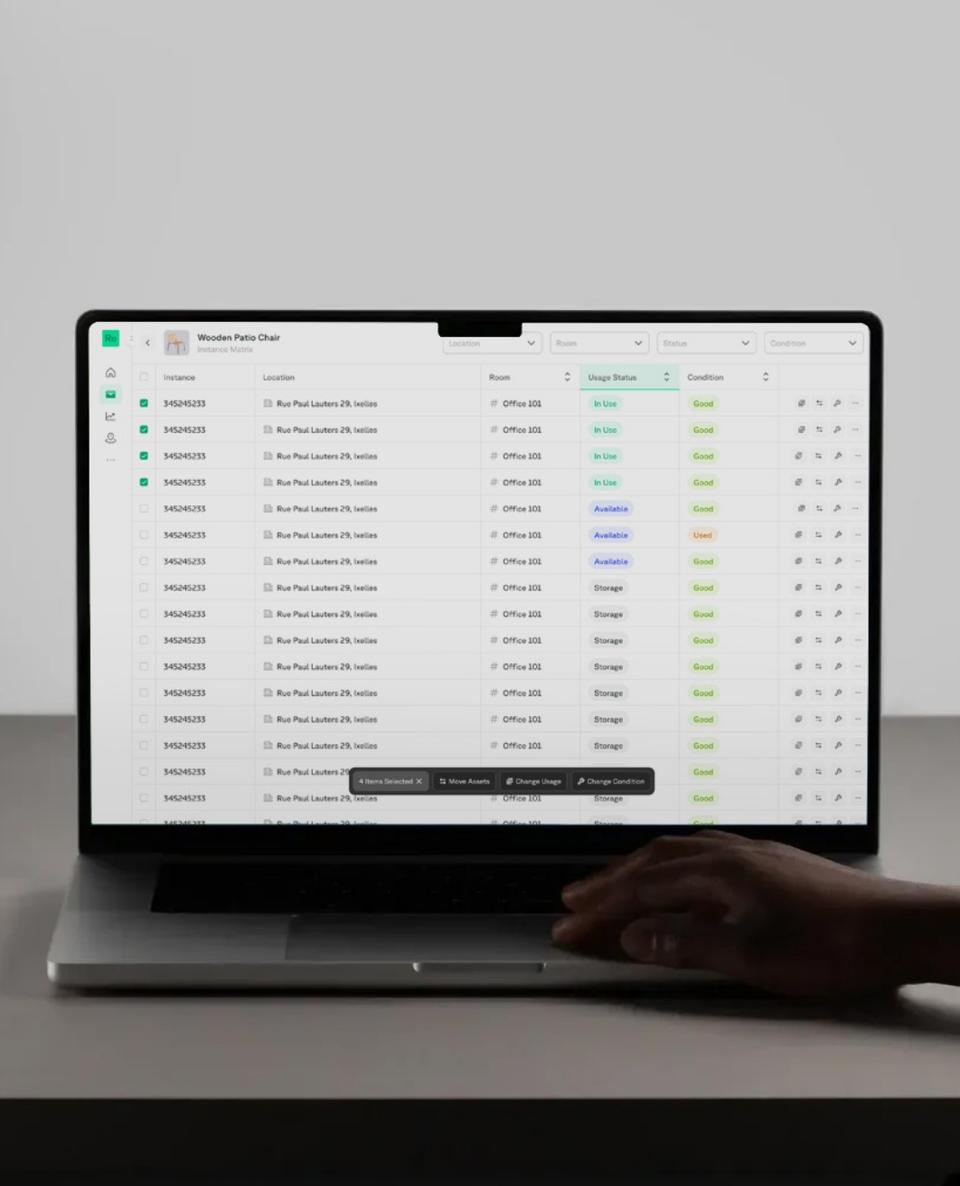
- Tracking furniture by location, condition and next-use route
- Creating clearer records for finance, workplace and ESG stakeholders
How Relieve helps facility teams
Relieve helps facilities teams turn furniture change into a clear sequence: assess what exists, choose the right route for each item, coordinate the work and close with usable records.
 1
1Plan the change before the deadline bites
We start with the building, the furniture, the deadline and the constraints. That can include site access, lift capacity, lease obligations, storage limits, team moves, furniture condition and any internal approvals needed. From there, Relieve helps shape a plan that separates items into practical routes: keep, move, reuse internally, sell, redistribute, donate, source replacements or recycle responsibly.
- 2
Coordinate furniture decisions across services
Facilities work rarely fits into one service box. A relocation may need clearance, sourcing and asset tracking at once. A floor refresh may reveal surplus furniture that should be resold before new items are ordered. Relieve connects those decisions. Clear & Move helps remove and rehome furniture. Furnish & Design Workspaces supports fit-outs and refurbishments. Furniture Sourcing helps find missing items. Track & Manage Assets gives the team better visibility before the next change.
- 3
Reduce coordination for your team
Without a structured route, furniture work can become a long chain of emails, photos, spreadsheets, collection windows and last-minute decisions. Relieve takes on the specialist furniture coordination so the facilities team can stay focused on the building and the people using it. That can include inventory support, route planning, resale or redistribution preparation, delivery coordination, employee access where suitable and close-out reporting.
- 4
Close the project with useful records
A furniture project is not finished when the floor is empty. Facilities teams still need to explain what happened, what was reused, what was recycled, what was sourced and what can be reported. Relieve can provide clear outcome information, including destination and CO2 data where available. That gives facilities, sustainability and leadership teams a stronger record than a vague note that the furniture was removed.


Services for this audience
Asset visibility makes future changes easier
Many facilities teams only discover what they own when a move begins. That is too late.
Asset visibility helps you avoid buying what already exists, storing what could be reused, or clearing furniture without a destination record. Relieve can help build a furniture view that is practical rather than overcomplicated: item type, quantity, location, condition, ownership context and next-use route.
This supports move planning, reuse decisions, sourcing briefs and ESG reporting. If you are planning a clearance, the office clear-out guide is a useful starting point before the inventory is built.

Pressure points
- Missed vacancy dates
- Hidden removal costs
- Uncontrolled employee requests
- Poor destination evidence
- Furniture being bought twice
Decision triggers
- Lease end
- Relocation
- Floor restack
- Headcount change
- Storage pressure
Useful Relieve routes
Clear & Move
Reuse-first removal, move and clearance support for office furniture projects.
Furnish & Design Workspaces
Plan, source and furnish workspaces with circular furniture options.
Furniture Sourcing
Find circular, refurbished and new furniture matched to a specific brief.
Track & Manage Assets
Track furniture by location, condition and lifecycle route across sites.
Reporting & ESG
Turn furniture routes into clearer records for sustainability stakeholders.
Office Clear-Out Guide
Use practical guidance before an office furniture clear-out begins.
FAQs
Ready to simplify the next furniture change?
Tell us what your facilities team is managing: a move, clearance, fit-out, sourcing brief, asset audit or a mix of all of them. Relieve will help you turn it into a practical furniture plan.